In 2023, interest in the installation of solar panels in homes has experienced a significant increase in Spain, driven by both environmental awareness and the desire to reduce the electricity bill. While the initial investment may seem substantial, the amortization of home solar panels has accelerated in recent years, thanks to the growing volatility of electricity prices. In this article, we will explore how much it costs to install solar panels in a house, what factors affect the price, how to access the subsidies available in 2023, and how these investments can contribute to a more sustainable future.
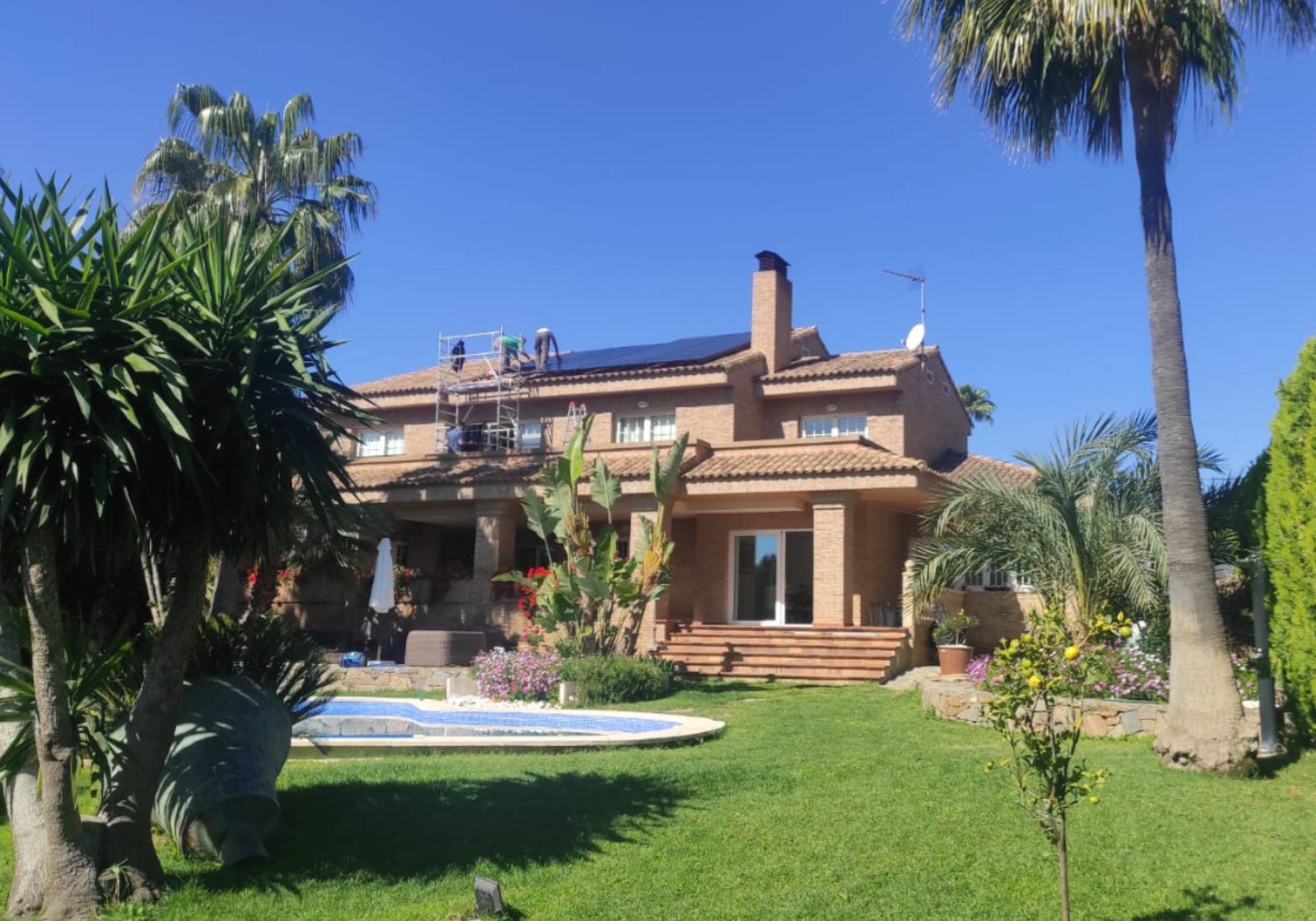
Cost of Solar Panel Installation at Home: An essential consideration when installing solar panels in a residence is not to oversize the system. This involves evaluating current consumption and considering future forecasts, such as the possibility of increased consumption due to the acquisition of electric vehicles or other changes in habits. In general, the price of installing solar panels in an average single-family home, which consumes around 4,500 watts, varies between €5,000 and €6,000, including installation certification. This usually involves the installation of six to ten solar panels, each with a capacity of around 450-455 watts.
Factors Affecting Installation Costs: The design and location of the installation can influence the cost. For example, installation on a sandwich panel or sheet metal roof is usually cheaper than on a tile roof due to the complexity and required structural systems. Additionally, in multi-story buildings, installation on facades can be more expensive, although the expense is shared among neighbors. This is because the available roof space is often insufficient to meet the energy demand.
Installation of Energy Storage Batteries: Since solar energy production does not always coincide with consumption, installing batteries to store excess energy can be beneficial. This allows for the use of generated energy during hours that best suit the household’s needs. The cost of this installation varies depending on the size and needs of the home. For example, in a 100 m² house with two residents and two electric vehicles, a 6.5 kWp installation with batteries can cost around €11,200.
Amortization Time for the Installation: The time required to amortize the investment in solar panels has significantly decreased in recent years due to rising electricity prices. Previously, amortization calculations were around 8 or 9 years, but in 2023, it has been reduced to about five years or even less. The increase in the electricity bill has contributed to accelerating this process.
Subsidies for Solar Panel Installation: To facilitate the transition to more sustainable energy, subsidies are available in 2023 for solar panel installation in homes. These subsidies can cover part of the investment in solar energy and are available at both the national and regional levels. The subsidies are divided into programs that include different types of solar energy projects and can be applied for by individuals, public administrations, property communities, and non-profit entities.
How to Apply for Solar Panel Subsidies: The process of applying for solar panel subsidies typically involves selecting the appropriate program, submitting the required documentation on the website of the corresponding autonomous community, awaiting the resolution and awarding, justifying the investment, and finally, receiving the subsidy payment once all requirements have been met.
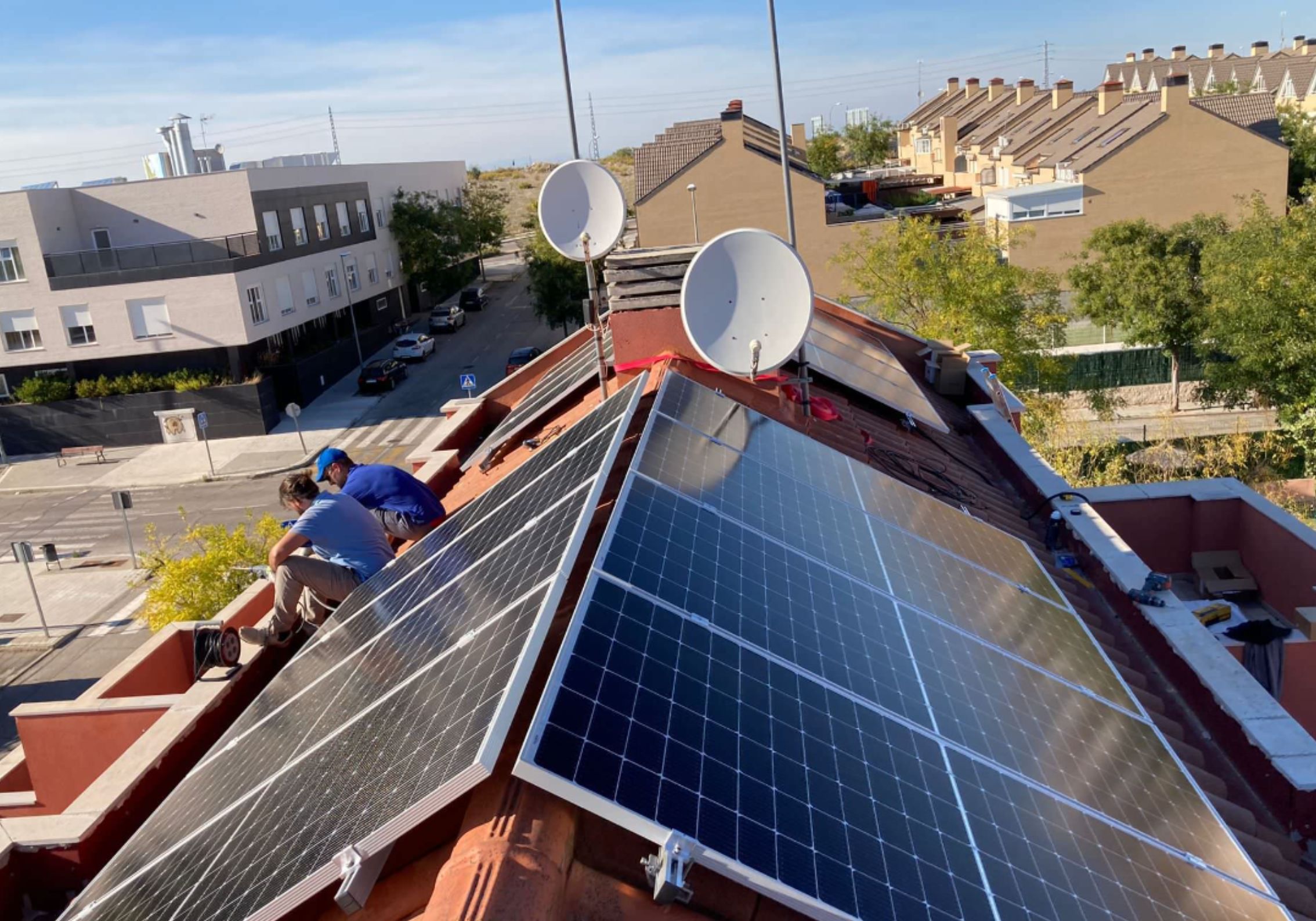
The installation of solar panels in a home can be a profitable investment, especially considering the savings on the electricity bill and the subsidies available in 2023. With the increasing volatility of electricity prices and growing environmental awareness, more homeowners are considering harnessing the sun’s energy to reduce costs and contribute to a more sustainable future. This investment not only represents short-term financial benefits but also contributes to the fight against climate change and the transition to a cleaner and more sustainable energy model for Spain and the world.
Article by Living Sitges Inmobiliaria