Paseo de Gràcia is not only one of Barcelona’s most iconic boulevards thanks to its modernist architecture and cultural offering: it has once again demonstrated its real estate strength, consolidating its position as the most expensive commercial street in Spain. This phenomenon reflects not only the robustness of the luxury retail market, but also the growing appeal of international investors and premium brands. In this article, we analyze the key figures, the reasons behind this rise, and what it means for the city’s real estate market.
Why is Paseo de Gràcia so valuable for real estate?
Strategic location and architectural heritage
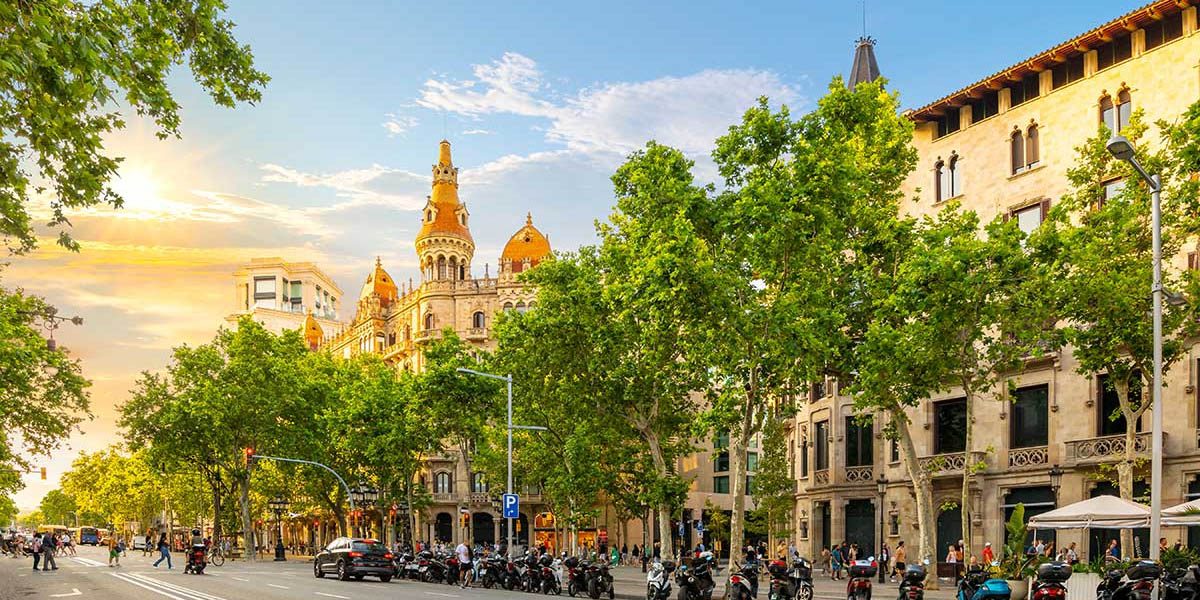
Paseo de Gràcia runs through the heart of Barcelona’s Eixample district, an area with a high concentration of luxury homes and iconic modernist buildings such as Casa Batlló and La Pedrera. Its value is not only historical: owning property or a commercial unit here means being part of a prestigious enclave that attracts both tourists and international residents. This generates constant demand, both for luxury retail and high-end residential properties.
High-end retail demand
The avenue has become a key hub for international luxury brands such as Dior, Prada, Versace, and Loewe. Prime rents currently reach €3,420 per m² per year, making it one of the most expensive commercial streets in Europe. These high costs are justified by strong visibility, heavy tourist footfall, and the concentration of high-net-worth customers. Investing in retail space here is costly, but it ensures brand positioning and long-term strategic returns.
Recent evolution: growth and outlook
Rising rents and global ranking
According to reports by Cushman & Wakefield, rents on Paseo de Gràcia have increased by approximately 8% year-on-year, reinforcing its position as the most expensive street in Spain. Globally, it ranks 16th among the world’s most expensive commercial streets, ahead of avenues such as Serrano or Gran Vía in Madrid. This sustained growth reflects the confidence of international investors and the street’s ability to maintain high prices despite European competition.
Residential market on Paseo de Gràcia
In the residential segment, homes on Paseo de Gràcia reach average prices of €9,700 per m², almost double Barcelona’s citywide average of around €5,000 per m². Demand is driven by high-net-worth buyers seeking iconic properties and restored modernist buildings, while supply remains limited due to heritage protection, keeping prices elevated.
Implications for investors and buyers
Retail investors
For retail investors, Paseo de Gràcia represents a strategic opportunity: although entry costs are high, the location guarantees global visibility and access to affluent customers. Risks are offset by sustained appreciation and the boulevard’s strong reputation.
Residential buyers
Buying a home on Paseo de Gràcia means investing in history, prestige, and long-term value appreciation. Buyers are typically wealth investors or international purchasers looking for exclusive properties. The limited supply of historic buildings reinforces the value of each transaction.
Risks and challenges
Saturation and global competition
Although Paseo de Gràcia is Spain’s most expensive street, it faces international competition from cities such as London, Milan, and Paris. In addition, tourist pressure may affect the sustainability of certain businesses, and a global economic slowdown could impact demand for luxury retail spaces.
Regulation and operating costs
Modernist buildings require ongoing maintenance and compliance with heritage conservation regulations, increasing operating costs for owners and retailers. For residents, the high cost of living and taxes associated with historic properties also represent a challenge.
Paseo de Gràcia has firmly established itself as Spain’s most expensive street, both in luxury retail and high-end residential real estate. Its record figures reflect a combination of historic heritage, strategic location, and sustained demand from international investors and buyers. For those seeking to invest in premium real estate, it represents a unique opportunity—albeit one with significant financial requirements.
If you want to stay up to date with the real estate market, subscribe to our newsletter for more news and insights.