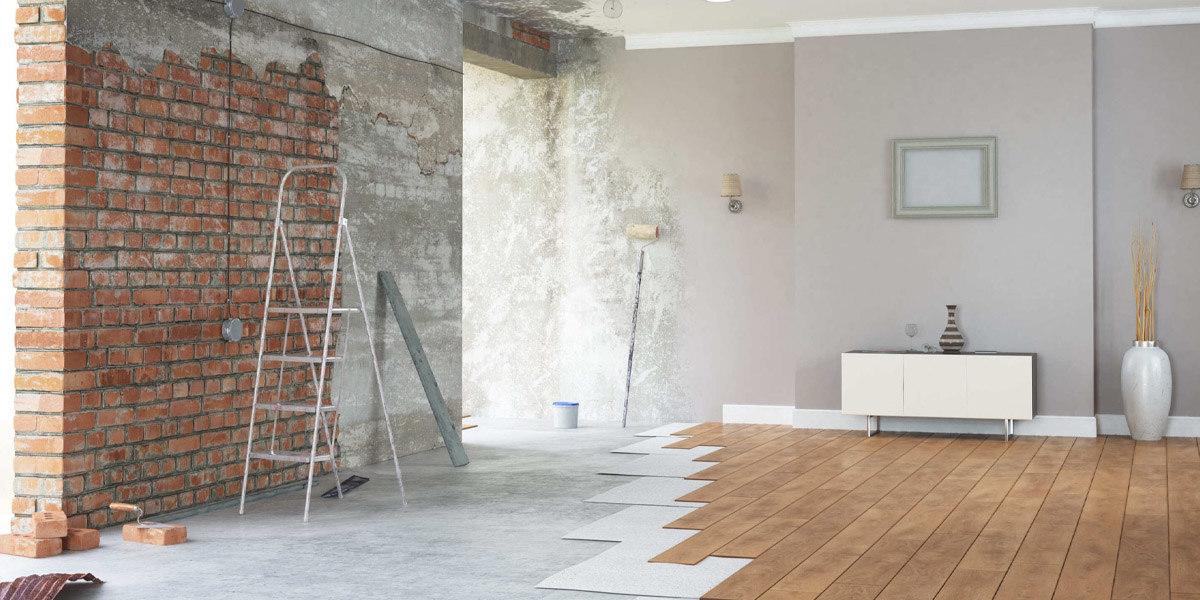
Repairs in a rented apartment have to be made, as in any other dwelling with the passage of time. Only in this case, the controversy about who has to take care of what is served on a plate. Is it the tenant or the landlord who has to take care of the costs of repairs?
If the breakdown is in an appliance purchased by the tenant, does the landlord also have to pay for it? What if the repairs have to be made because the tenant has broken something intentionally or unintentionally? Let’s see what the current legislation says regarding repairs in a rented apartment.
Repairs in a rented apartment, who is responsible?
It is essential that the landlord is informed of anything that happens in the property, especially if it is an incident or a breakdown. So, if you are a tenant, the most prudent thing to do is to inform the landlord as soon as possible if something happens (the shutter, the washing machine or the extractor hood in the kitchen breaks down), specifying the cause of the problem.
In any case, in order to know what to do in this type of case it is important to refer to the current legislation, which in this case is the Urban Leasing Law (LAU). Article 21 reads as follows:
Article 21. Conservation of the dwelling.
The lessor is obliged to carry out, without the right to raise the rent, all the repairs that are necessary to preserve the dwelling in habitable conditions to serve the agreed use, except when the deterioration of the repair in question is attributable to the lessee in accordance with the provisions of articles 1,563 and 1,564 of the Civil Code.
Therefore, there we already have a first answer to the question of who has to take charge of the repairs in a rented apartment: the lessor or owner. In fact, this must be included in the lease contract signed by the tenant and the landlord.
What if the breakdown or damage has been caused by the tenant’s misuse?
This sometimes happens. It is possible that the tenant has made a bad use of some mechanism, equipment or household appliance of the housing. In that case it is also the landlord who must take charge of the repair? No, it is not. If it is proven that the breakdown has been caused by the tenant, either by misuse or bad faith, it will be the tenant who will be responsible for the repair or replacement of the equipment. This clause must be clearly indicated in the rental contract, if possible including an inventory of the appliances or equipment in the dwelling at the time of formalizing the rental contract.
Who is responsible for the regular maintenance of the dwelling?
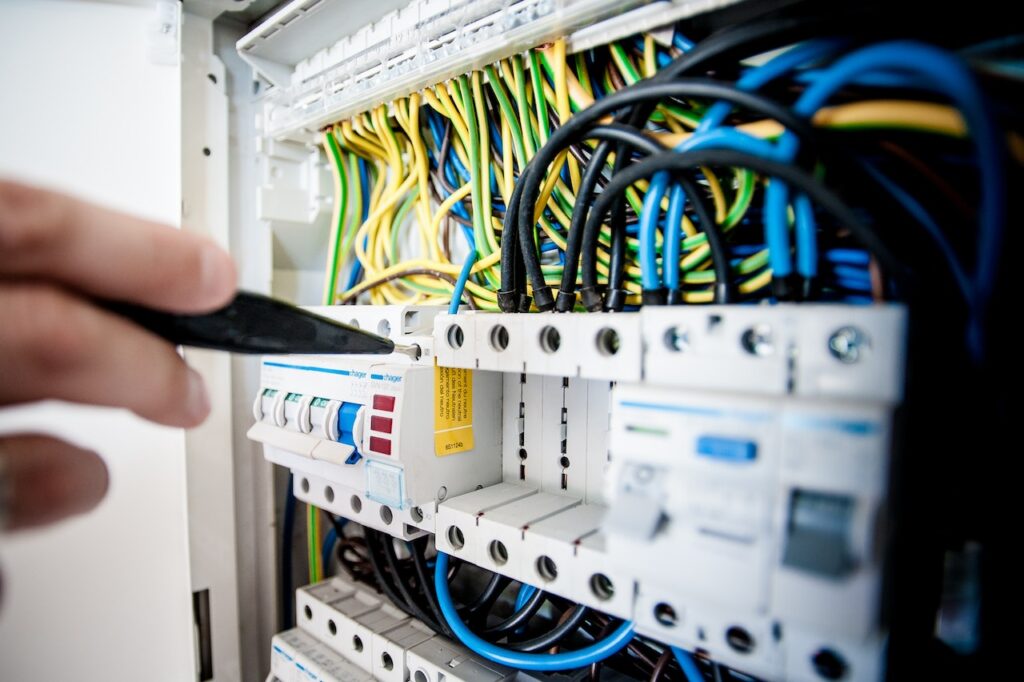
In the same way as in the previous cases, the responsibility for the regular maintenance of the dwelling must also be included in the rental contract. However, it should be noted that it is most common for the tenant to be responsible for the regular maintenance of the property. We are referring, for example, to the change of blown light bulbs, lamps, blinds, etcetera. It would not make much sense to call the landlord every time a light bulb goes out. In the end it is also a question of practicality.
Breakdowns in household appliances: a very common problem
If the landlord rents the property with appliances, it will be the landlord who will be responsible for repairs and possible breakdowns. However, sometimes other factors come into play, such as the fact that the appliance is too old and needs to be replaced by a more efficient one, or that the tenant has misused it (overloading the washing machine, for example). For this type of mishaps (and many others, which can also occur) it is interesting to have a home insurance, because it will be the expert who will determine the cause of the breakdown and offer possible solutions.
Having insurance: the most advisable solution
To avoid scares of any kind and to be able to face all the mishaps that occur in rental apartments, it is very important to have insurance. The insurance of the rent, besides being a guarantee to face breakdowns and damages, can guarantee the payment of the rents to the proprietors, in case the tenant does not come to the payment of the monthly quota of the floor for the reason that is.
Source: Habitaclia
You can also find us at:
YouTube – Jaume by LivingSitges
Instagram – @jaumebylivingsitges
www.livingsitges.com